
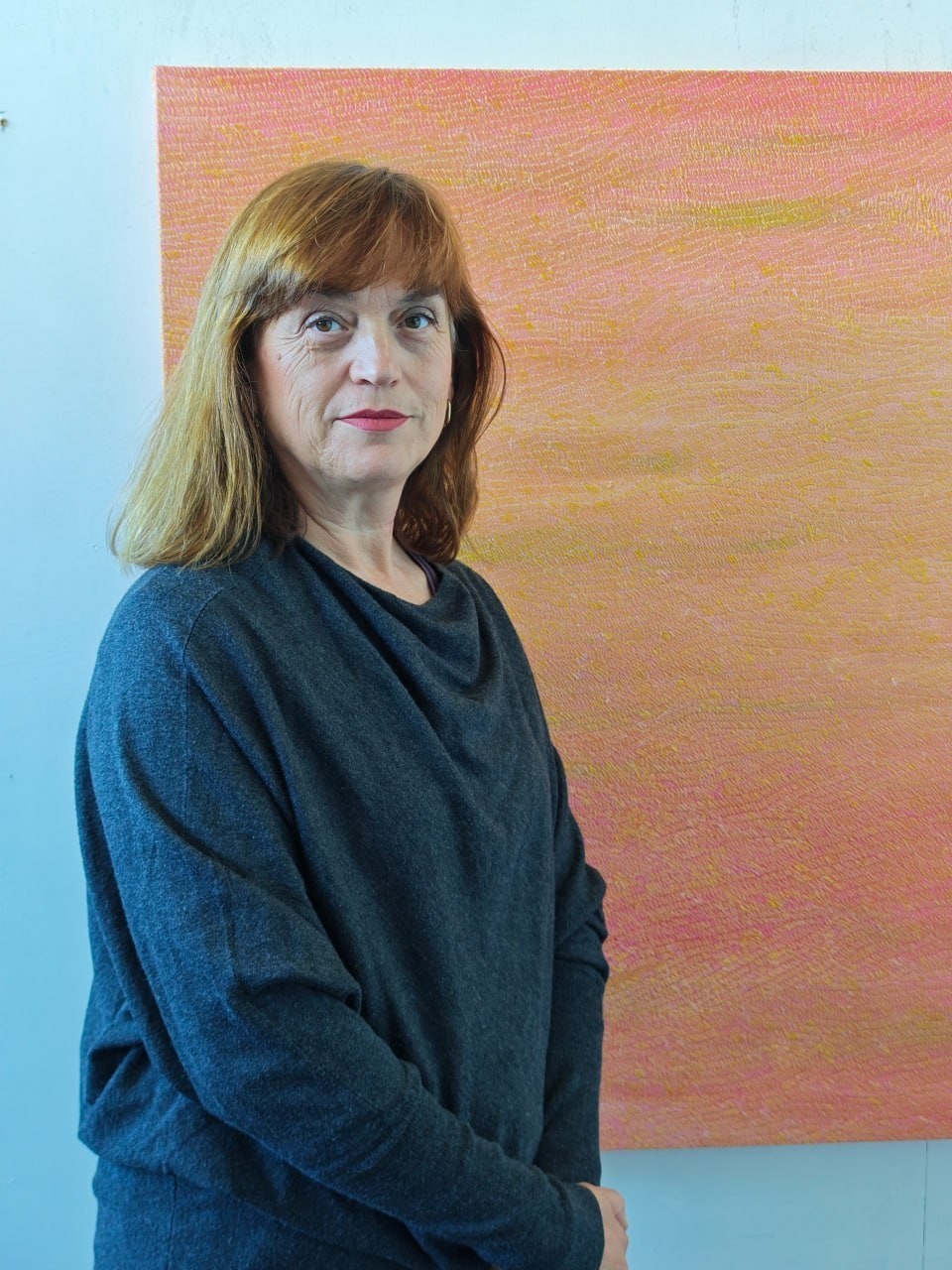
Carmen Baena
Spain, b. 1967
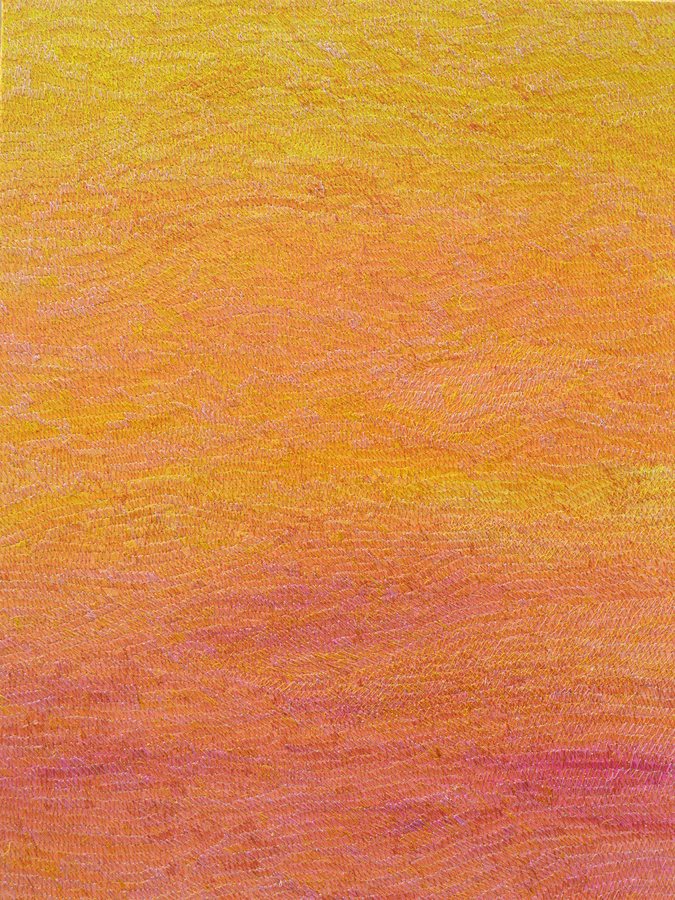
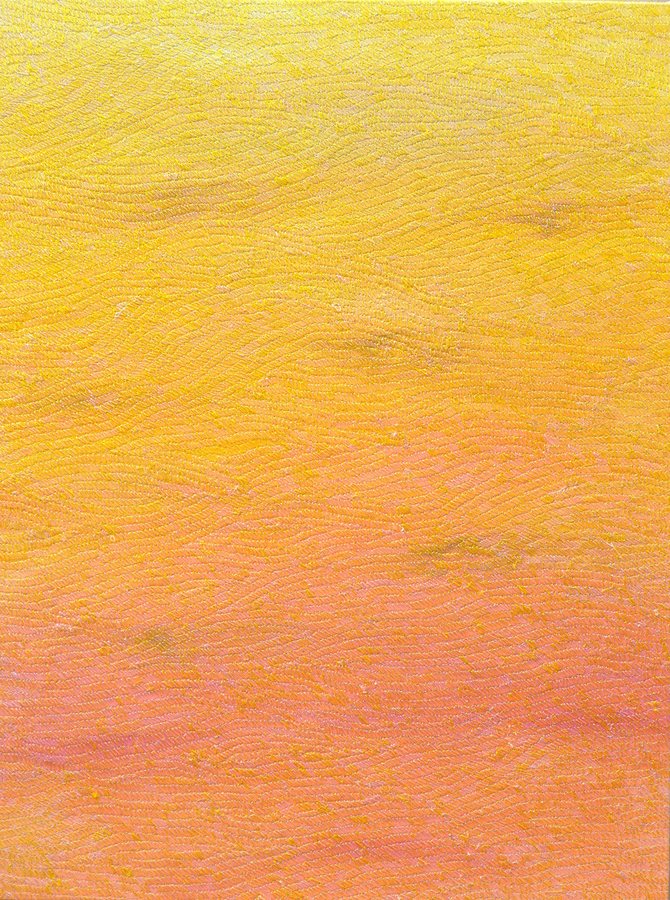
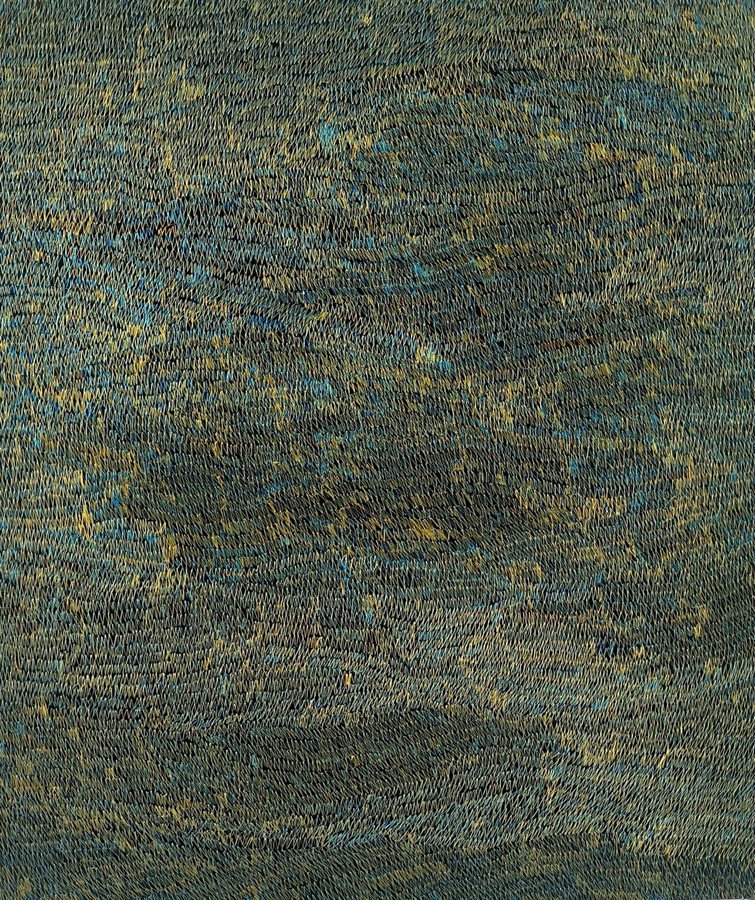
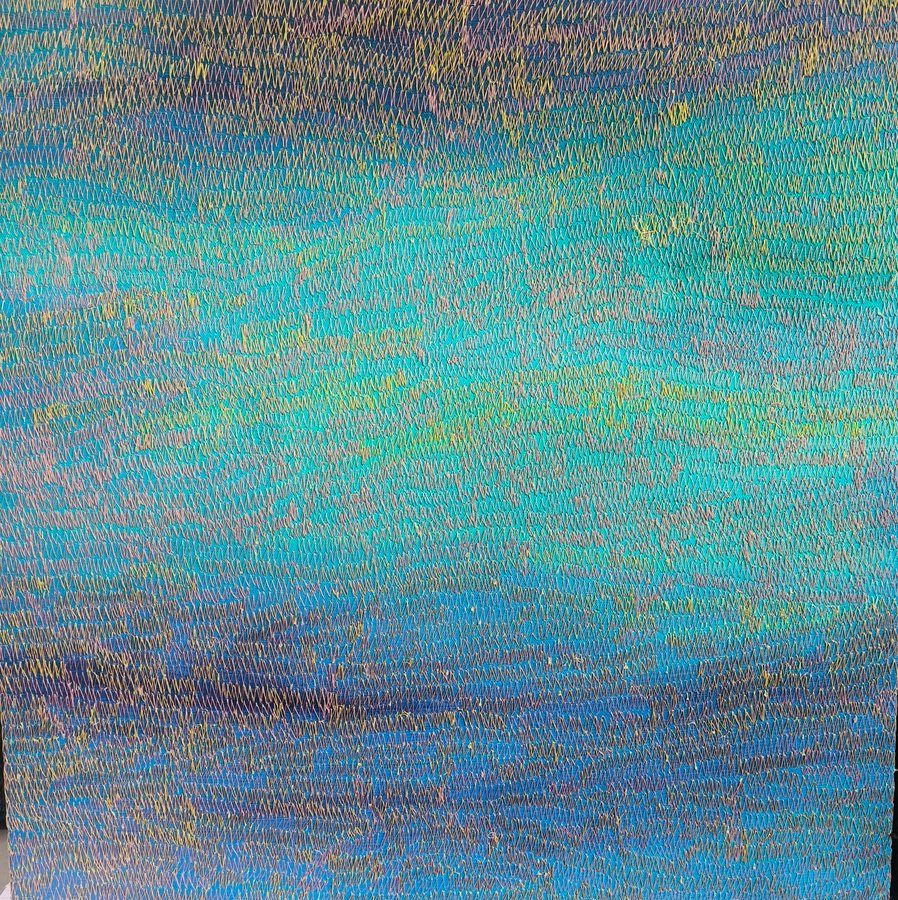
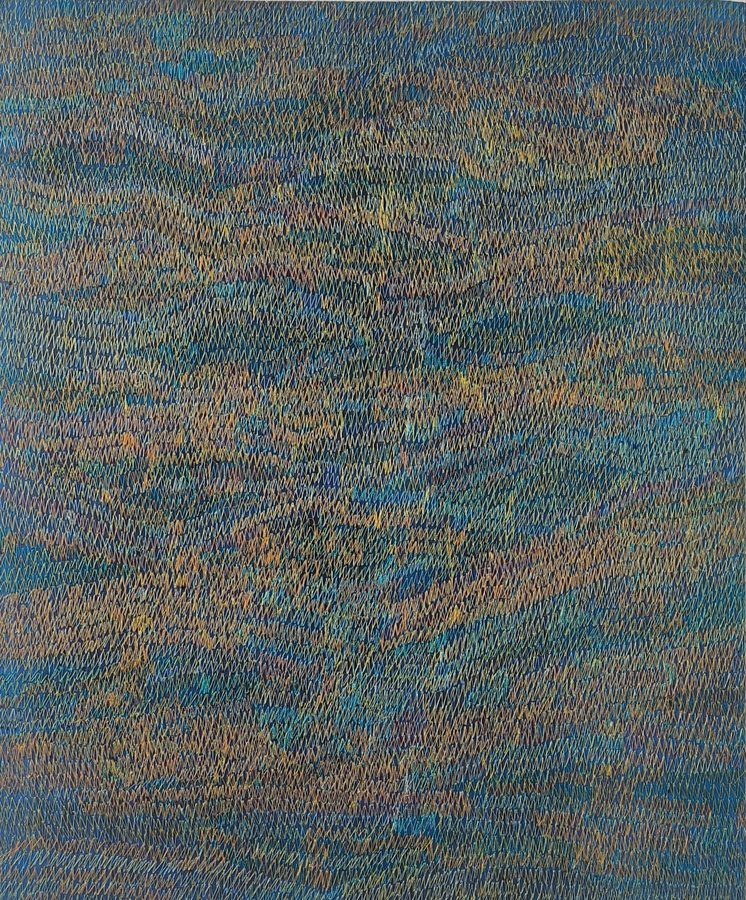
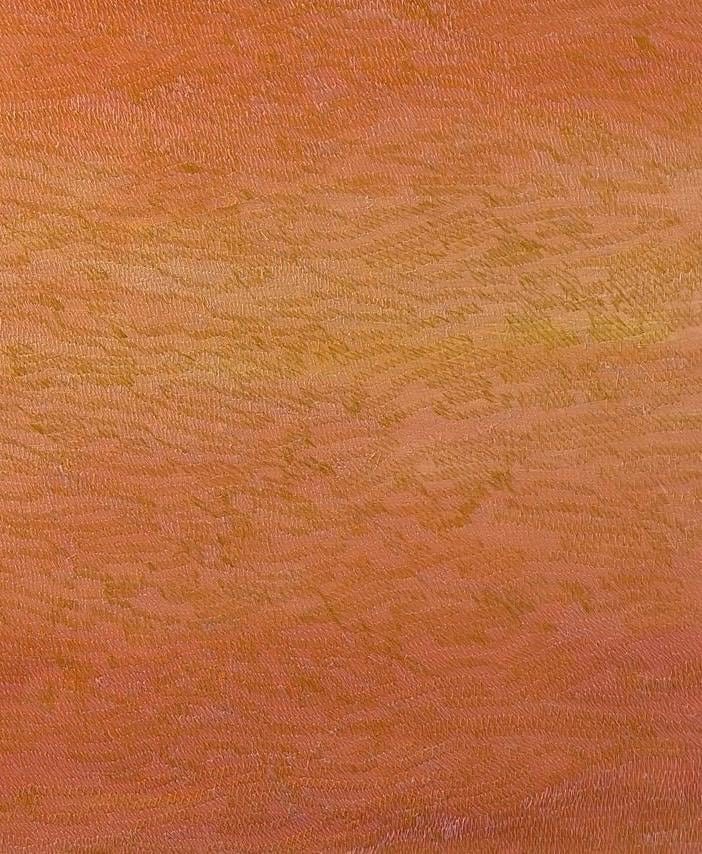
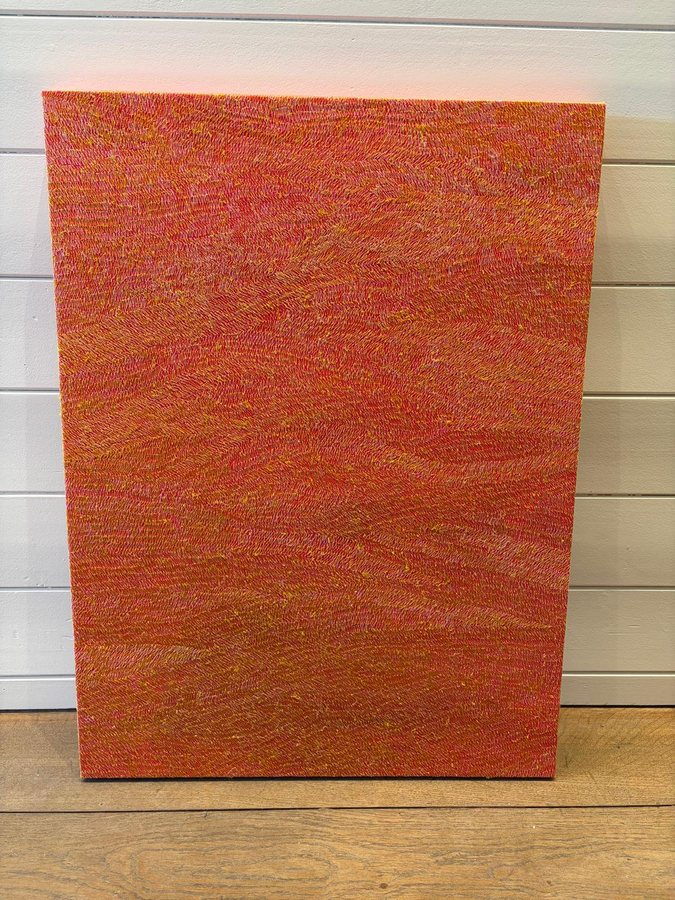
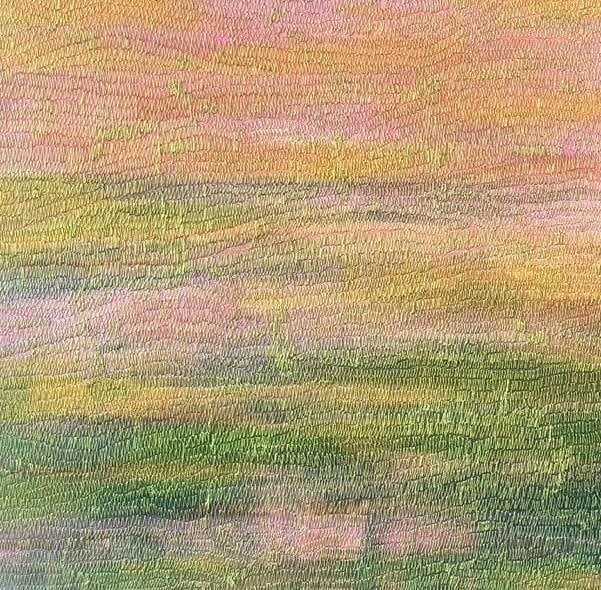
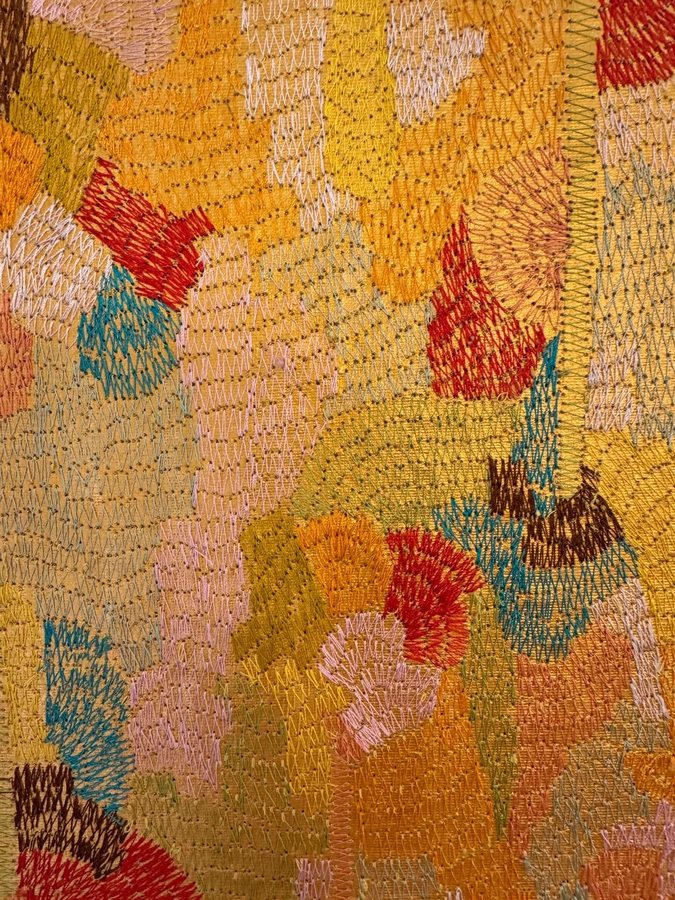
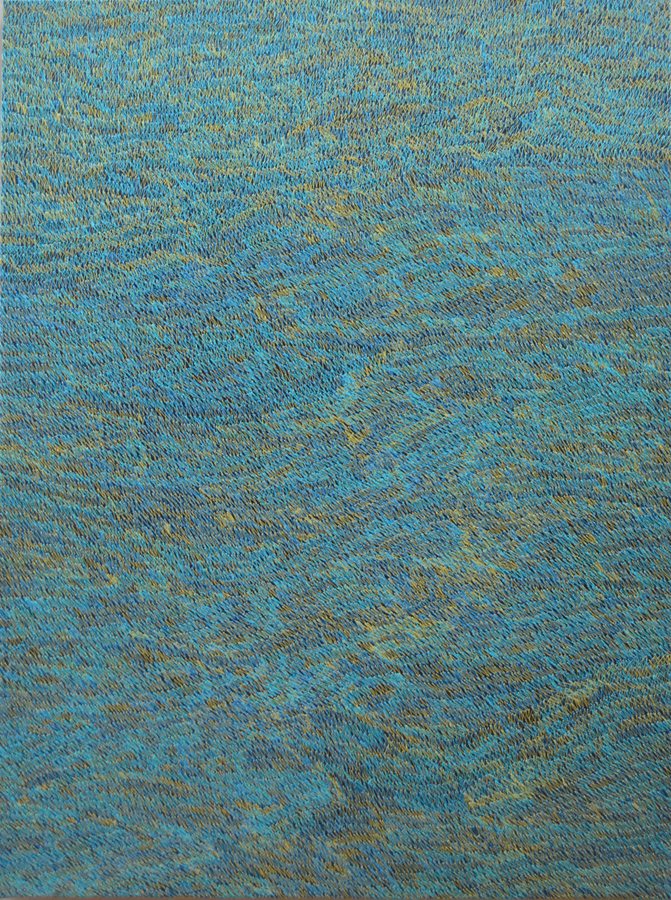
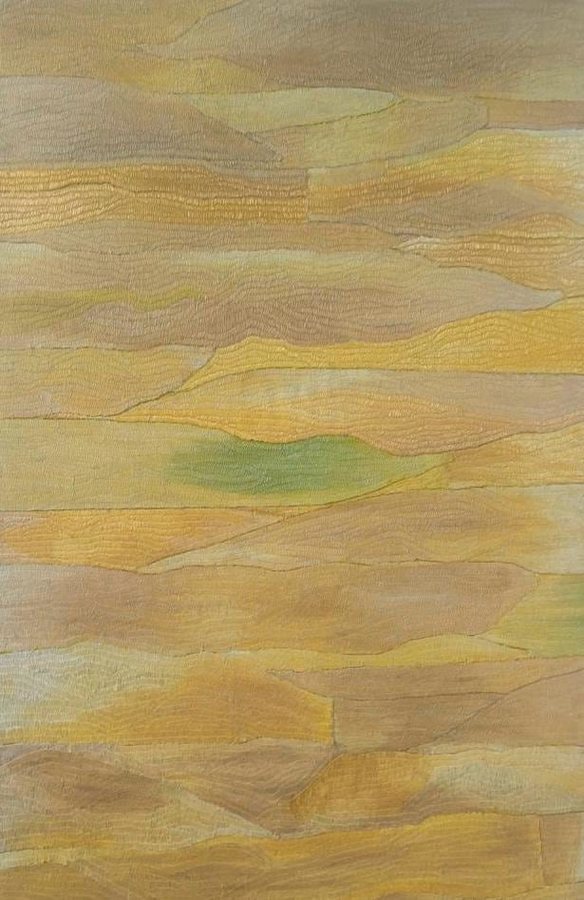
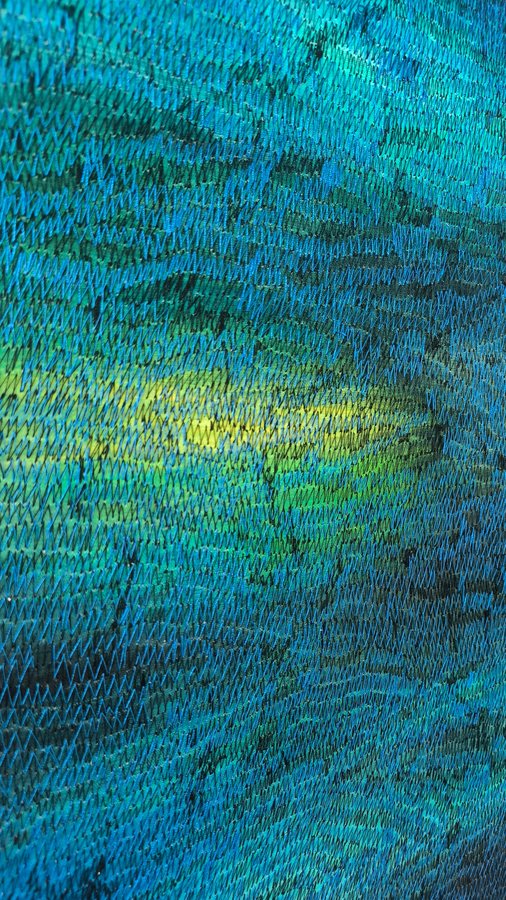
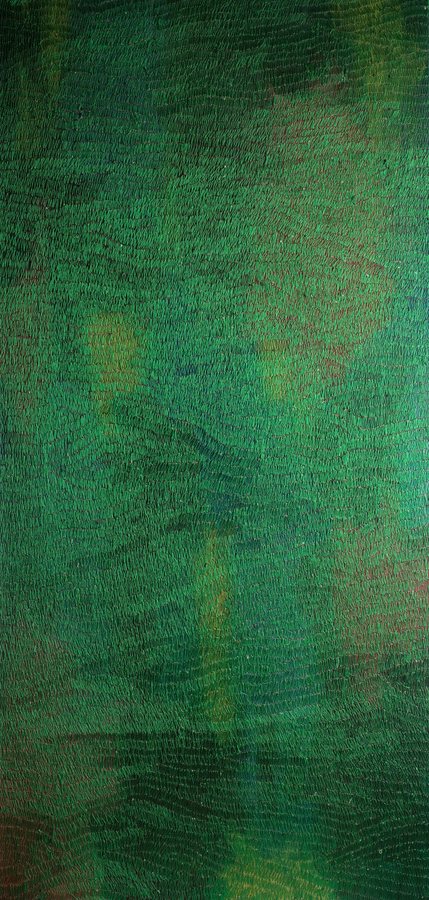
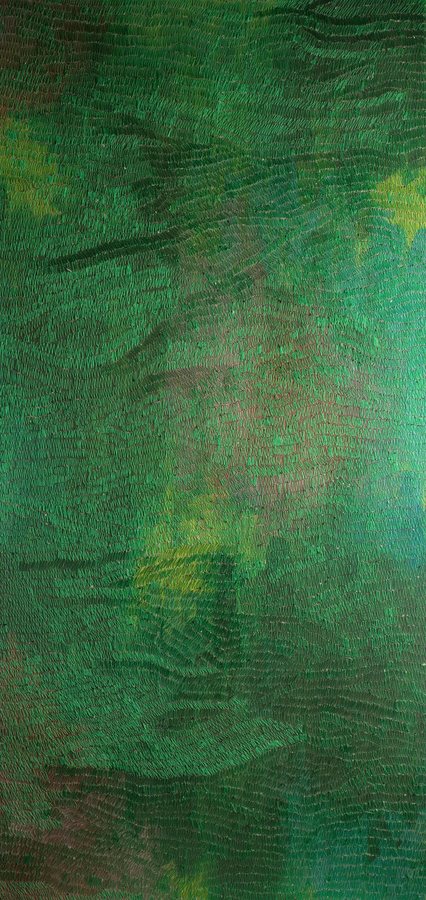
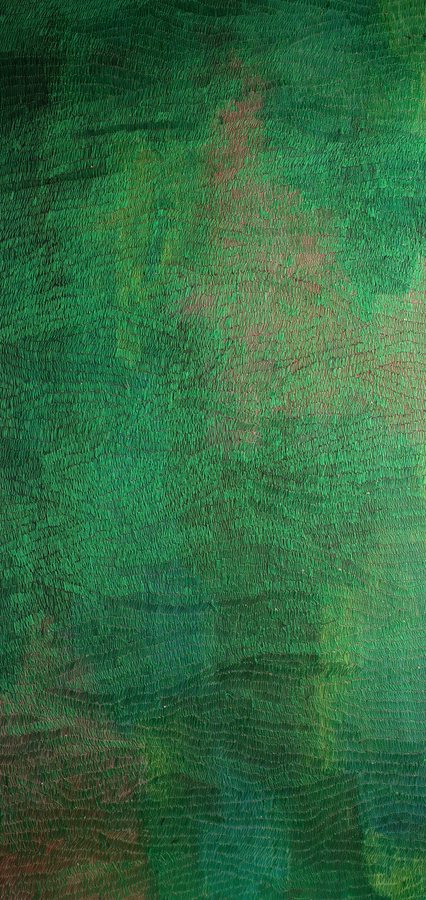
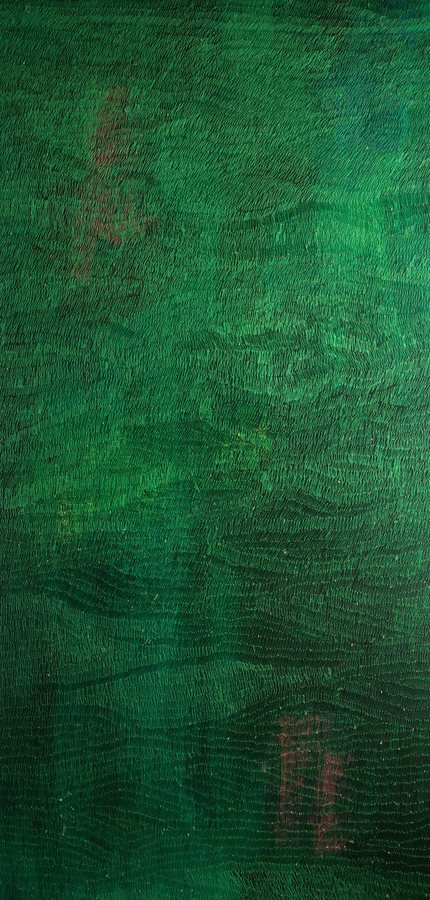
Born in Granada, Carmen Baena studied Fine Arts at the Polytechnic University of Valencia and she currently lives in Murcia. Carmen develops her artistic work through marble sculpture, embroidery on papers of various textures, and photographic experimentation.
A reflective search for the inhabitability of the body, time and space is decisive in all the techniques she uses. The spiritual and sensorial landscapes take on significant importance and transport the viewer to an intimate, poetic, and enigmatic space.
The nature that has surrounded her since her childhood in Granada inspires all her work with the same syncretism that attracted her sensibility from those early years. Those related to memory take center stage in her concepts.
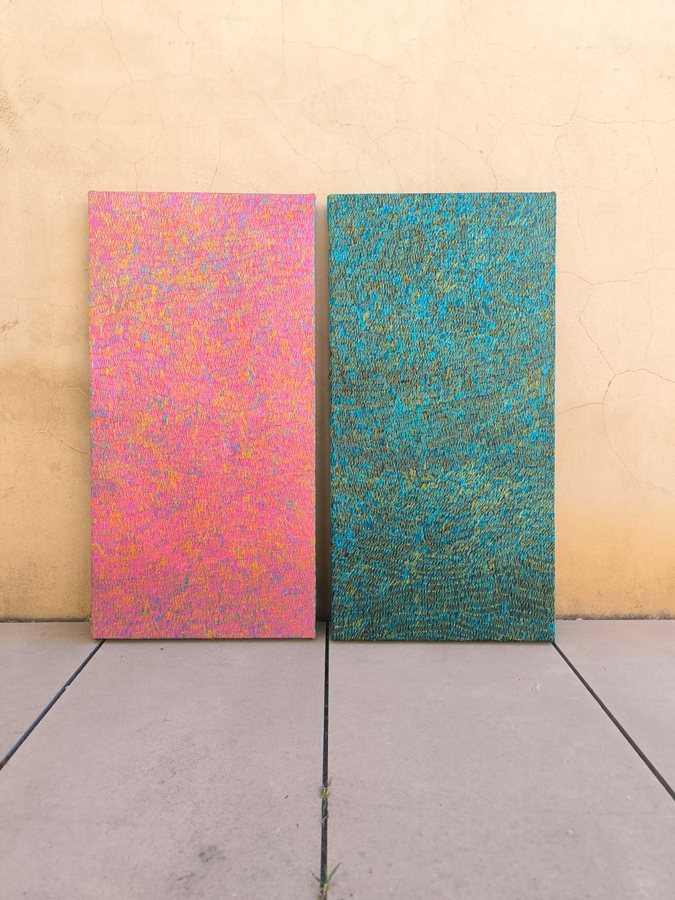
The shapes, circles and glazes sewn with great skill and subtlety elevate the technique to a sublime category of creation. The swarms of perfectly directed threads seem to suture and heal the wounds caused by the existential abysses that human beings face.
Each stitch reveals the desire to transfer autobiographical experiences related to the moment of learning how to sew. Also intrinsic to them is the defense of manual labor so deeply rooted in her personal creative technique.
One is captivated by the presence of the green and blue tones which, along with gold, make up Baena's favorite palette.
Questions about Carmen
Who is Carmen Baena?
Carmen Baena is a Spanish artist, born in Granada in 1967. She studied Fine Arts at the Polytechnic University of Valencia and lives in Murcia.
Why thread and embroidery?
For Baena, stitching is a form of suturing and healing: each embroidered line carries memory — often of learning to sew — and defends handmade labour as a creative act.
Where do titles like 'Jardín vertical' and 'Viento de primavera' come from?
From the natural world around Granada: gardens, wheat fields, wind and light recur throughout her work, in green, blue and gold, her signature palette.
What materials does she use?
Marble sculpture, embroidery on textured papers, photographic experimentation and acrylic — all in service of an intimate, poetic space somewhere between body, time and memory.